Recipes to be uploaded as they become available.
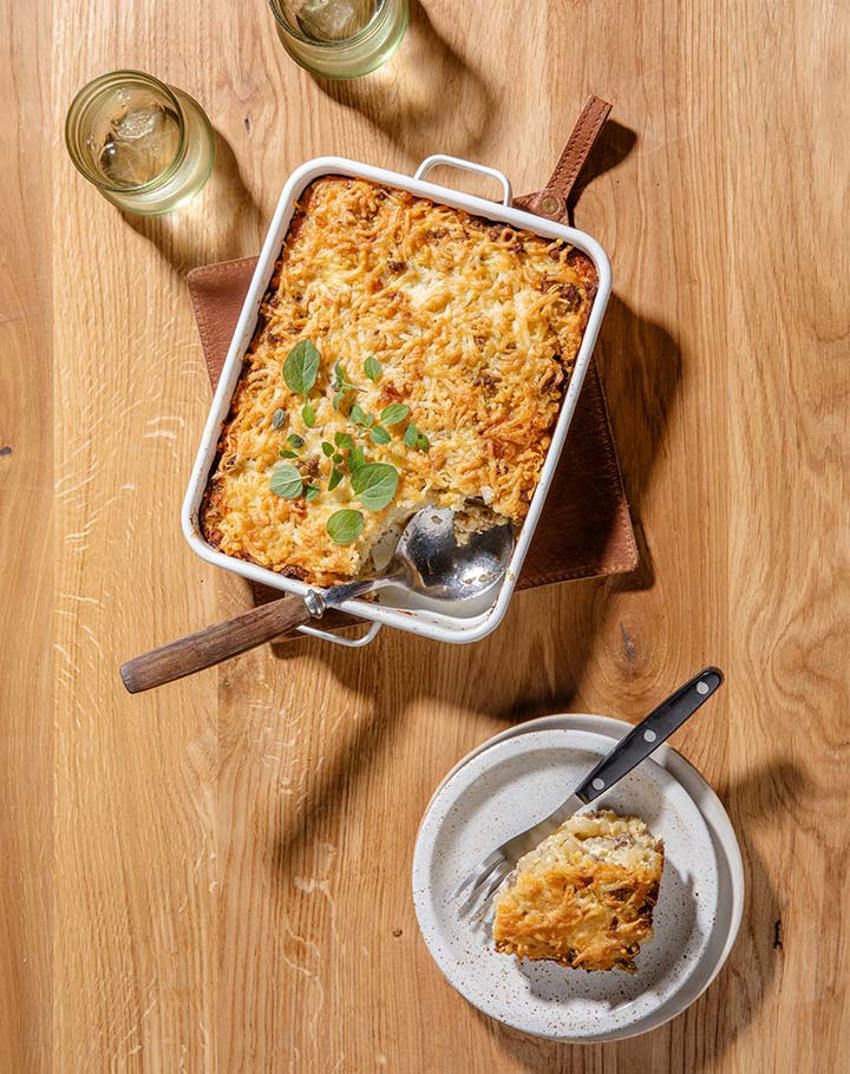
Makaronilaatikko (Finnish Macaroni Casserole)
In Finland, makaronilaatikko (”macaroni casserole”) is considered one of the most popular traditional dishes and is a staple in northern European home cooking. A 2010 survey of 1100 respondents ranked it as the second most popular everyday dish for dinner in Finland. Traditionally, this dish consists of cooked macaroni mixed with eggs and milk with additional ingredients like meats, vegetables or fish. It is commonly made with cheese or breadcrumbs sprinkled on top.
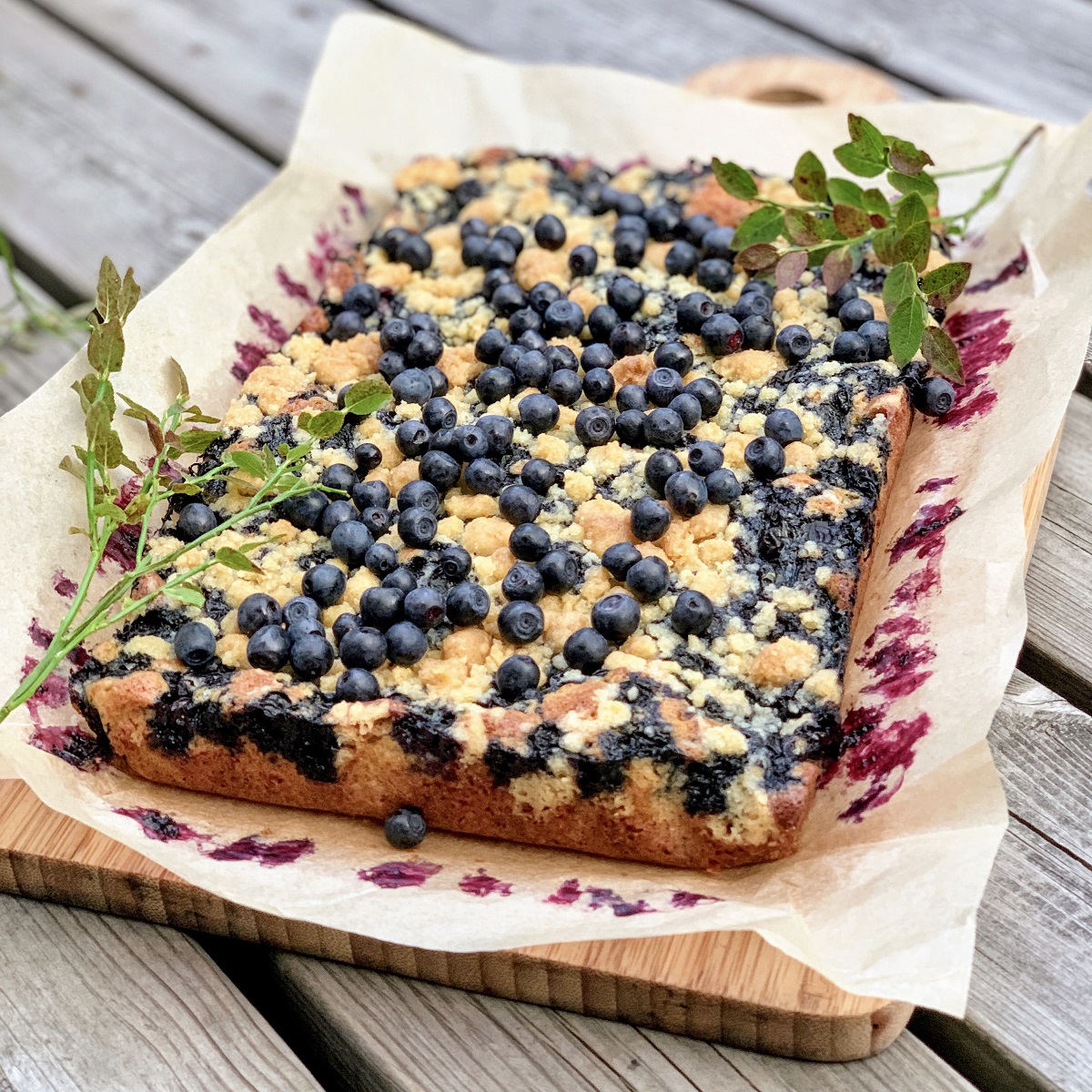
Mustikkapiirakka (Blueberry Pie)
Mustikkapiirakka (“mustikka = blueberry, piirakka = pie”) is often eaten in the summertime when blueberries are in season in the Northern Hemisphere. Mustikkapiirakka is a cross between a pie, a tart, and a cheesecake. With a crumbly base made with a combination of rye flour and all-purpose flour, and a luscious sour cream and blueberry filling, this Finnish Blueberry Pie will become a favourite dessert.
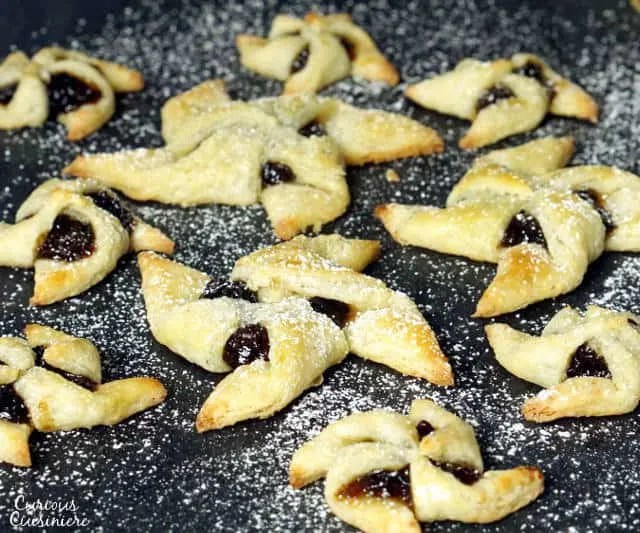
Joulutorttu (Christmas Tarts)
Joulutorttu (“joulu = Christmas, torttu = tart”) are star or windmill-shaped cookies that boast the crisp crunch of a flaky pastry and the smooth sweetness of a dollop of jam. Traditionally, these Christmas tarts are made with a ricotta pastry and filled with a prune jam.
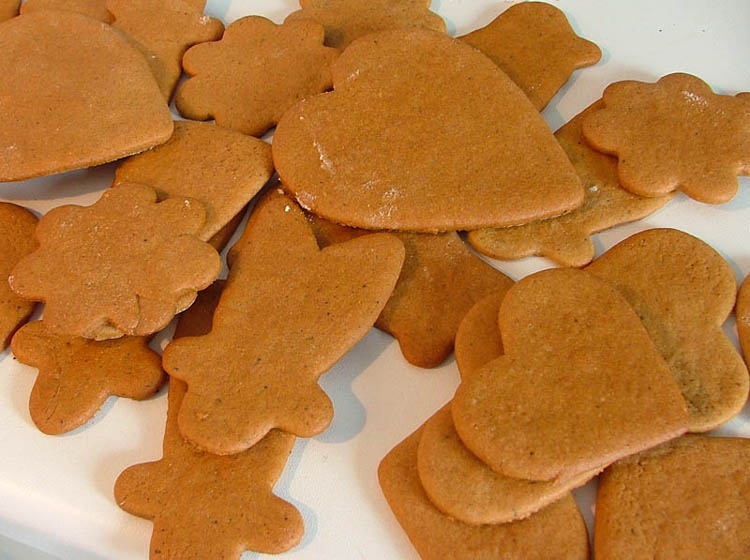
Piparit (Gingerbread Cookies)
Piparit are Finnish style gingerbread cookies which are heavily flavoured with cardamom. These crisp gingerbread cookies are flavourful and just right with a cup of coffee or mulled wine (glögi). They’re easy and fun to make..

Korvapuustit (Finnish Cinnamon Rolls)
Korvapuustit – Finnish Cinnamon Rolls are a national treasure and are a perfect excuse to share on National Cinnamon Bun Day, usually celebrated in Sweden on October 4. Traditional Finnish cinnamon buns are usually called “korvapuusti” (means “little ear buns”) due to their ear-like shape. These buns contain cardamom in the dough, are less sweet, much denser and much less gooey than their North American counterparts.
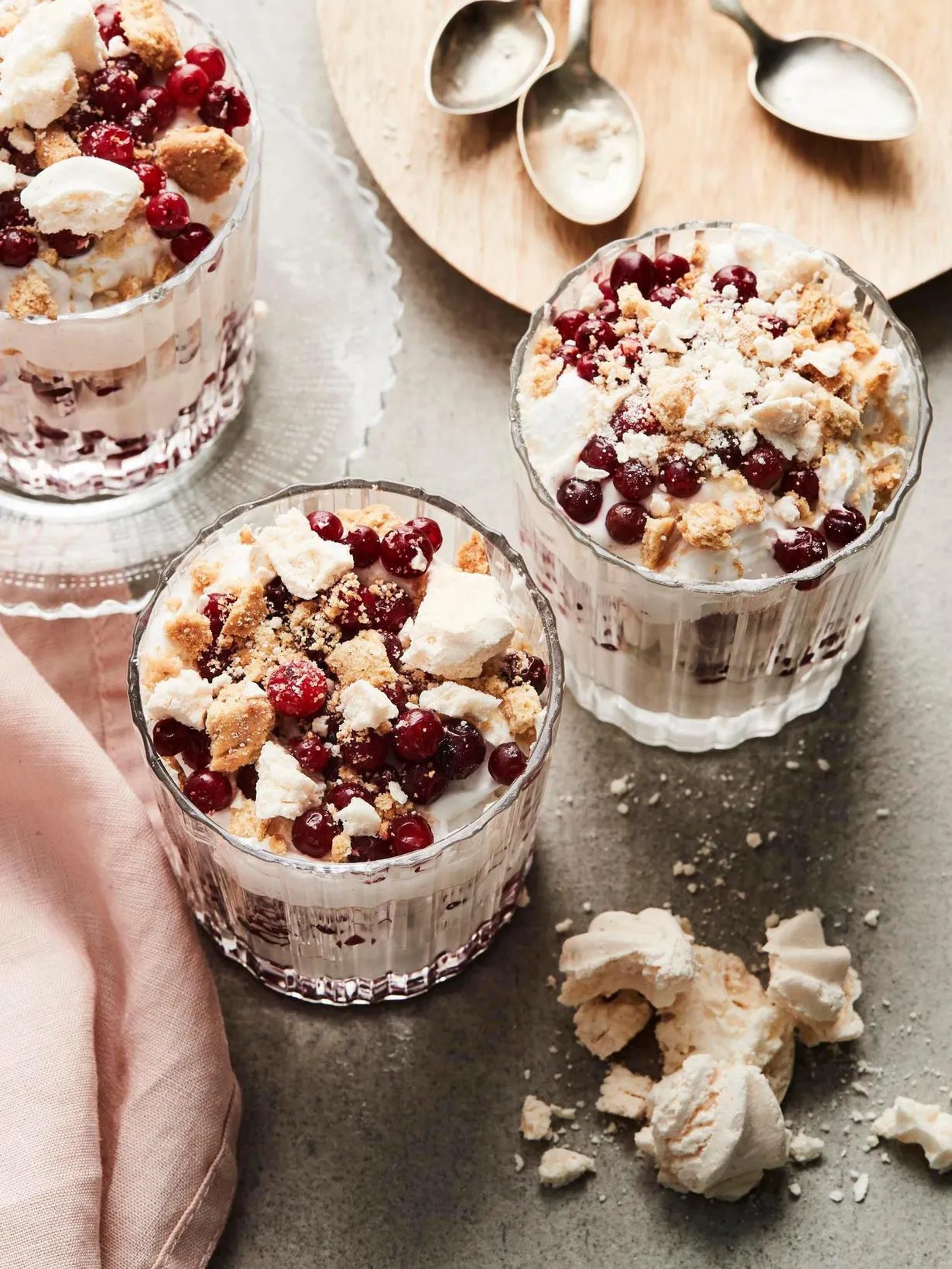
Pappilan Hätävara (Finnish Traditional Dessert
Pappilan hätävara (translates to “Rectory’s Makeshift”) is an easy delicious dessert that can be prepared quickly using whatever is leftover in the refridgerator such as berries, cookies, cakes, dry bread, pulla and jams. The word “papilla” means clergy house or vicarage, where the priest used to live close to the church. And the word “hätä” means emergency and “vara” means supply. This is a tasty and clever way to use up what’s left over.

Mokkapalat (Finnish Coffee Brownies)
If you’re a fan of chocolate, coffee, or anything mocha flavoured, you’ll love mokkapalat (translates to ‘suede pieces’). Similar to mocha brownies, mokkapalat is a dense, chocolate cake with a rich mocha frosting with a subtle coffee taste. These coffee brownies are simple to prepare and have many names and variations in Finland.

Lihapiirakka (Finnish Meat Pies)
Lihapiirakka (“liha” means meat and “piirakka” means pie) is common Finnish food sold in supermarkets and often available ready-to-eat as a street food. A savoury pie or turnover made from yeasted doughnut dough and filled with a mixture of minced meat (beef or wild game) and cooked rice it is usually deep fried or baked. Traditionally this pastry is eaten whole. A contemporary way to have them is to split it in half and fill it with a frankfurter or some other type of sausage, or with kebab meat or some form of meat burger. They may be served with ketchup, mustard or relish. These also make a wonderful appetizer and trail snack.
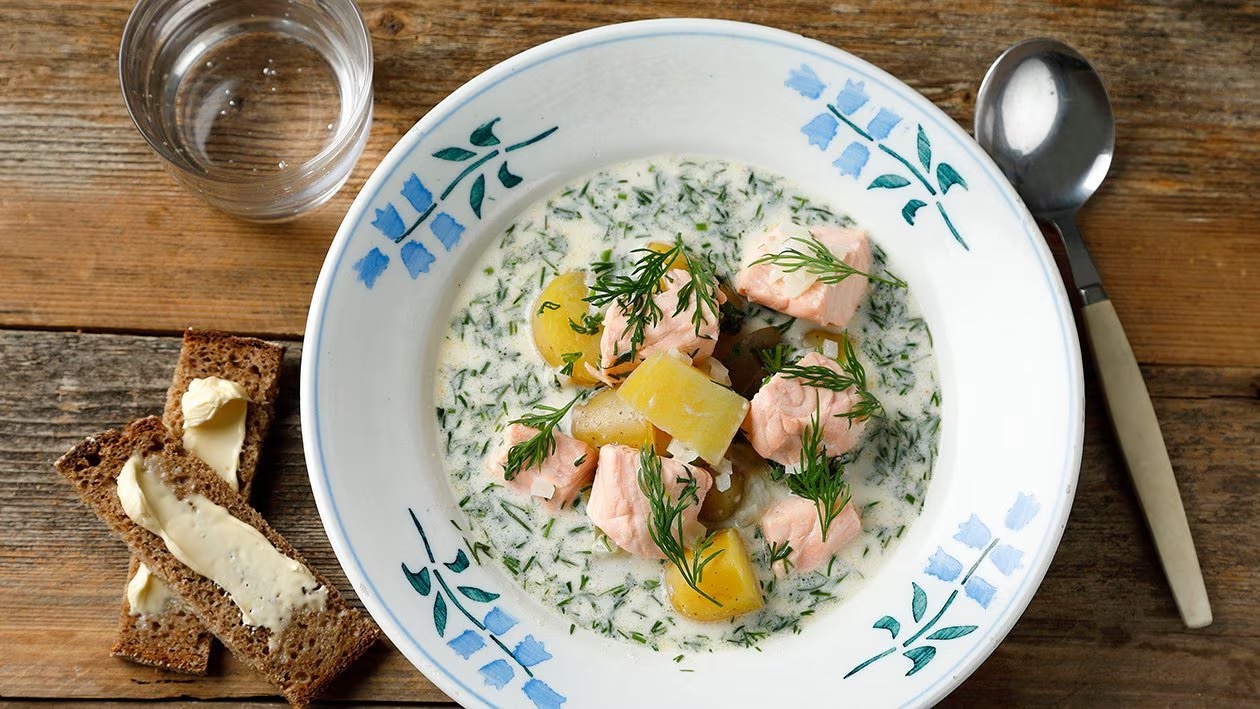
Lohikeitto (Salmon Soup)
Lohikeitto as it is called in Finland is a creamy salmon soup, similar to a chowder, made with leeks, potatoes and fresh dill. “Lohi” means salmon in Finnish and “keitto” means soup. This savory lohikeitto is popular across Scandinavia and Northwestern Russia, where the winters are brutally cold. This is a soup that lends itself well to cold Canadian winters too!
Finnish Meatballs with Brown Sauce & Potato Mash (Lihapullat, ruskea kastike ja perunamuusi)

(from: https://feelslikefinland.com)
SERVES: 10 but the potato mash and sauce recipe is for one meal
Finnish meatballs are super easy and super tasty! This is one of the most eaten Finnish dishes. Classic brown sauce on the side and mashed potatoes will make the taste experience authentic. You can make a large batch of meatballs to save time. You can freeze them and easily heat them in the microwave oven or skillet for the next dish. You can also use just ground beef. A 50/50 mixed beef/pork mixture will make tastier meatballs due to the extra fat.
INGREDIENTS
Meatballs (Lihapullat)
- 1/2 cup breadcrumbs
- 1 cup cooking cream/sour creme or equivalent
- 2 lb ground meat (beef or beef/pork)
- 2 onions
- 2 teaspoons salt
- 1 teaspoon each oregano, paprika, black pepper, ground allspice
- Pinch of white pepper
- 2 eggs (optional)
Mashed Potatoes (Perunamuusi)
- 2 lb potatoes
- Water for boiling, remove when potatoes are done
- Salt (1-2 teaspoons)
- 2-3 tablespoons butter
- 1 cup milk
Brown Sauce (Ruskea kastike)
- 3 tablespoons butter
- 3 tablespoons all-purpose flour
- 1 1/2 cup water
- Salt, pepper/ground allspice to taste
- 1 tablespoon soy sauce (optional)
DIRECTIONS
Finnish Meatballs
- Mix the cream and breadcrumbs in a bowl.
- Chop the onions to fine pieces.
- Add meat and onions to the bowl.
- Add spices.
- Mix very well and add the eggs.
- With watered hands, make about golf ball sized balls of the meatball dough and add them to a baking sheet
- Bake in the oven, 425 °F, for 15 minutes, until brown. Or add butter to a skillet and fry the meatballs until they are fully cooked.
Finnish Potato Mash
- Peel the potatoes, chop to equal sized pieces to cook evenly.
- Add potatoes to cold, salted water.
- Boil about 20 min, until the potatoes are cooked.
- Remove the water.
- Add milk and butter, let it sit for a while, especially if milk was cold.
- Mash the potatoes with potato masher, a big fork or any tool.
- Add salt, mix and taste.
Brown Sauce
- Use the same skillet as for the meatballs for extra flavor, add the butter and let it melt.
- Add the flour, mix it and fry it until brown.
- Add water bit by bit, mix all the time to avoid clumps.
- Add salt and other seasoning, taste and add more spices if you wish.
Leipäjuusto (Finnish Squeaky Cheese)

Leipäjuusto is a fresh cheese traditionally made from cow, goat, or reindeer milk. Once the curds are formed, they are pressed into a flat, round shape and baked or grilled until brown spots form on the surface. These caramelized markings give it a rustic, bread like look.
“Juusto”: Pronounced as “hoo-stoh.” The “oo” sounds like the “oo” in “too,” and the “st” sounds like the English word “stew” without the “ew” sound.
“leipä”: Pronounced as “lei-pah.” The “ei” combination is pronounced like the English word “eye.”
The cheese is typically served warm, either grilled or gently heated, which enhances its texture and brings out its soft, milky flavour then paired with cloudberry jam. Though eaten at any time of day, Leipäjuusto is especially common as a dessert or an evening snack. In some regions, it is even served in coffee, where it soaks up the liquid without falling apart, offering a warm, chewy bite at the end of a drink.
INGREDIENTS
- 1 Litre whole cow’s milk or reindeer/goat milk for traditional flavour
- 250 ml Full Fat Buttermilk
- 1 tsp Rennet Liquid or Powdered (usually found in a natural food store or cheese maker)
- 1/2 tsp Fine Sea Salt
- Optional: 1 tbsp Cream for added richness
- Cloudberry jam to serve
INSTRUCTIONS
To begin, gently warm the milk in a large, heavy bottomed pot over low heat to around 37°C (body temperature). Stir constantly to avoid scorching the base. Remove from heat once temperature is reached and keep covered.
Add the buttermilk and stir gently to combine. Sprinkle in the rennet evenly and stir for 30 seconds. Cover the pot with a clean cloth and let it sit undisturbed in a warm place for 45–60 minutes until the curds have clearly separated from the whey.
Using a long knife, cut the curd into small, even cubes, about 1 cm in size. Allow them to rest for 5 minutes. This helps them firm up slightly and release more whey, key to the cheese’s final texture.
Return the pot to very low heat and slowly stir the curds for 15 minutes. They should shrink slightly and firm up further. Do not boil, gentle heat and slow movement are essential to preserve the delicate curds.
Line a colander with cheesecloth and carefully pour in the curds, draining off the whey. Gather the cloth and gently squeeze out excess liquid but avoid compressing the curds too hard to keep the final cheese tender.
Transfer the curds to a lightly greased, oven safe round dish or mould, pressing them down evenly. Sprinkle the salt over the surface and allow it to rest at room temperature for 30 minutes to firm up and develop structure.
Preheat your oven to 200°C (fan 180°C). Place the cheese on the middle rack and bake for 20–25 minutes until the top turns lightly golden. For an authentic browned top, finish under the grill for 3–5 minutes, watching closely.
Remove the cheese from the oven and let it cool slightly before slicing. It should have a firm, elastic texture that squeaks against your teeth, a hallmark of traditional Leipäjuusto.Serve warm in wedges with a generous spoonful of cloudberry jam. For a rustic Finnish presentation, place on a wooden board. It also pairs well with with black coffee or as part of a sweet and savoury breakfast spread.
Hyvaa Ruokahalua! (Bon Appetit!)
Sima or Finnish Mead Recipe
What is Sima?
Sima is a traditional, lightly fermented lemonade drink prepared to celebrate the arrival of the warmer spring weather. Sima is traditionally served at Vappu or May Day (May 1). The Finnish word sima is an old name for honey, which Elias Lönnrot used to mean a drink in his Finnish national epic, the Kalevala.
Here’s how to make it. 2 liters water, bring to a boil. Add in 1 1/2 cups (750 mL) brown sugar and 1 cup (250 mL) white sugar plus 2 lemons, peeled and chopped. Turn off the heat once sugar is dissolved. Add 2 more liters of water and stir in 1/2 teaspoon (2.5 mL) active dry yeast. Let sit overnight. On day 2, add a bit of sugar and few raisins to the bottles. Close lightly. Put the bottles in the fridge. Check daily. Enjoy sima after 3-7 days – once the raisins have floated.

Koskenkorva Lemon Recipe
A Finnish hot toddy recipe for a cold winter day.
- 4 cl Koskenkorva Lemon Liquer
- 1 cup Warm Black Tea
- 1 tsp Honey
- Garnish with a slice of lemon or lemon peel
- Enjoy warm

Koskenkorva Lemon is a unique novelty to the Koskenkorva range (from the Koskenkorva village). It is a fresh liqueur made with all natural ingredients and real lemons, including fresh infused citrus peels. It’s also has less sugar than lemoncello or limoncello liqueurs usually have.
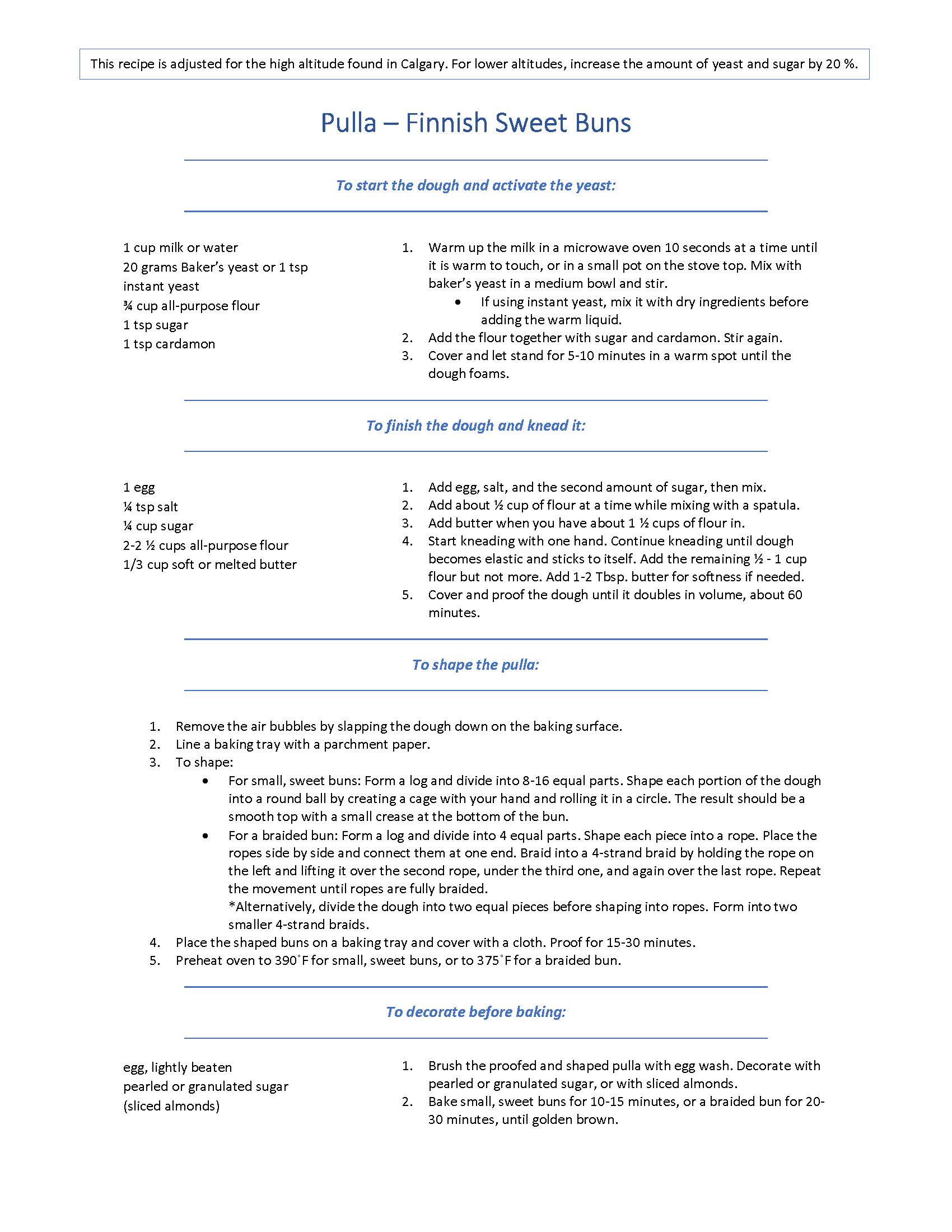
Pulla: Finnish Sweet Buns
Pulla is a braided sweet bun sure to win you over! Many Finnish people have fond memories of Pulla. Watching Mummo carefully weave the ropes of dough together. Impatiently waiting for it to rise before you can enjoy a piece. Especially when enjoyed with a cup of warm coffee – Pulla is perfect.


Ingredients and Recipe:
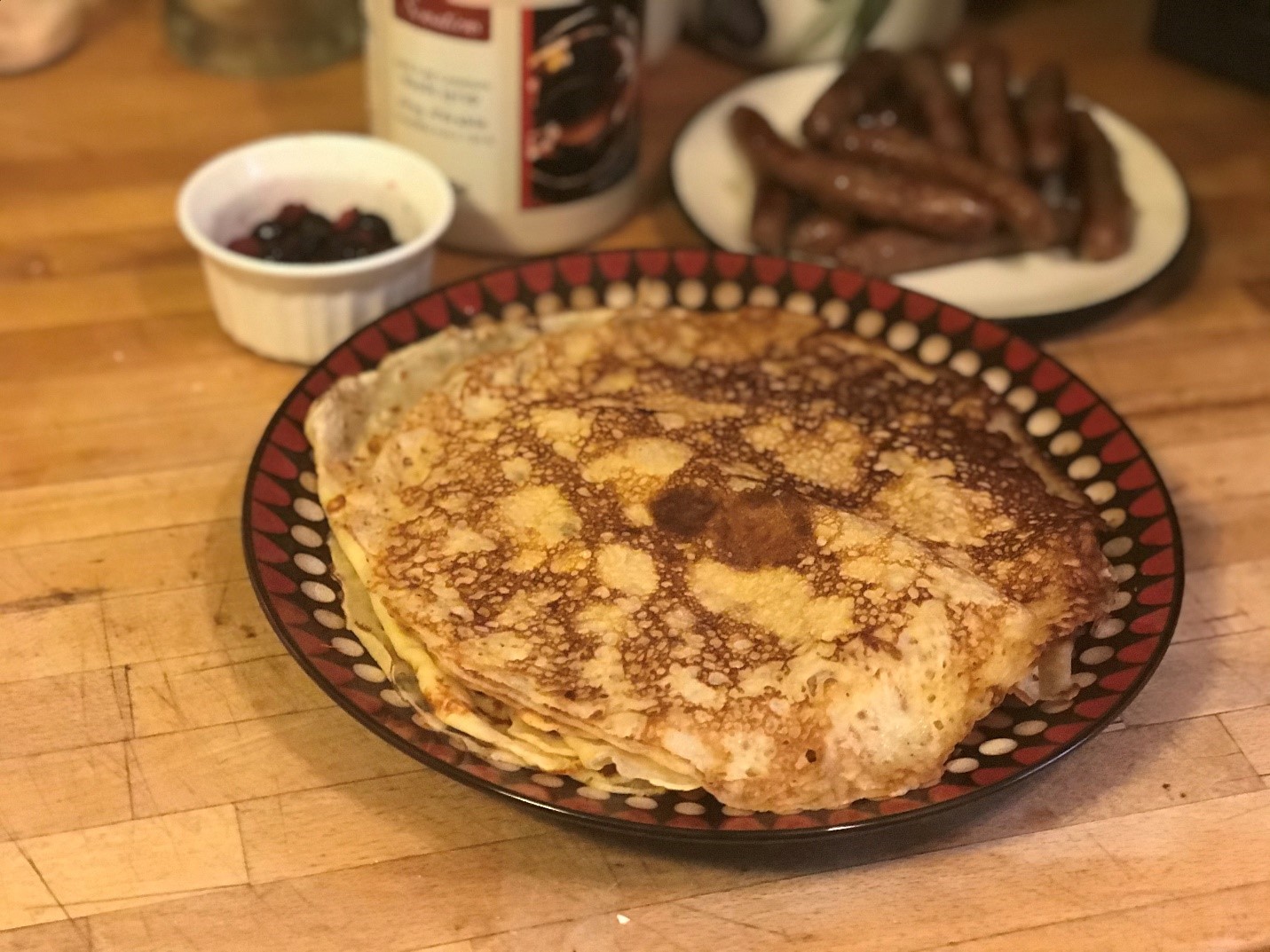
Finnish Pancakes
Finnish Pancakes are a true delight! Served with maple syrup, whipping cream, and fresh berries. Paired with breakfast sausage and a coffee, it’s hard to imagine a better way to start your day!
Recipe
- 2 eggs (muna)
- 2 cups milk (maito)
- 1 cup all-purpose baking flour (puolikarkea vehnäjauho)
- 3 to 5 teaspoons of sugar
- 1/2 teaspoon of salt (suola)
- 1/4 cup melted butter (voi)
Directions:
In a bowl, whisk eggs and milk together. Add salt and sugar. Add the flour a little at a time, whisking continuously. Finally, add some of the melted butter if desired.
Cover batter and let stand in fridge for at least 10 minutes.
Heat pancake skillet or large pan. Generously butter skillet and pour a small puddle of batter on skillet to form a thin pancake and swish skillet around to cover batter to edges. Fry until golden brown, usually when bubble appear, flip, and fry other side.
Serve pancakes with your favourite toppings, including whip cream and maple syrup. Blueberries, strawberries, raspberries, bananas, sugar, and/or peanut butter are also recommended!
 Calgary Finlandia Cultural Association